


PSM/RMP Compliance Audits
An audit should show where the program works in practice and where gaps still expose the facility. Cognascents Consulting Group combines document review, interviews, and field observations to give your team a clear view of PSM and RMP compliance and a practical basis for resolving findings.
When Clients Engage Us
Common reasons organizations engage PSM/RMP audit services
Organizations typically engage Cognascents for PSM/RMP compliance audits when they are facing:
|
▸An approaching three-year OSHA PSM or EPA RMP compliance audit deadline
|
▸The need for an independent, third-party perspective before a regulatory inspection
|
|
|
▸Findings from a prior audit that were never fully closed out
|
▸Leadership turnover that has left institutional audit knowledge thin
|
|
|
▸Concerns about inconsistencies between PSM and RMP program elements
|
▸M&A due diligence involving a covered facility
|
Our Approach
An audit that tells you the truth about your program.
A PSM or RMP compliance audit evaluates whether your program meets OSHA and EPA requirements — and whether it’s actually being followed in practice. OSHA 29 CFR 1910.119(o) requires a certified compliance audit at least every three years, and EPA requires the same cycle for RMP-covered processes under 40 CFR 68.58 and 68.79. Cognascents conducts independent, third-party audits across all PSM and RMP elements, looking for the interrelationships and inconsistencies a single-element review would miss.
|
Step 01
PreparationWe familiarize ourselves with your existing PSM and RMP programs, policies, and protocols before ever setting foot onsite, so audit time is spent verifying, not discovering. |
Step 02
Onsite Audit AssessmentOur auditors conduct interviews, review documentation, and perform field observations across all applicable PSM and RMP elements to assess real compliance, not just paper compliance. |
Step 03
Documentation, Findings & Follow-UpWe deliver a detailed audit report with findings and achievable action plans, then support you through follow-up to help you actually reach compliance rather than just documenting the gap. |


|
AI-Accelerated Delivery
PSM audits delivered faster, with broader coverage and full auditor accountability.Cognascents’ AI-accelerated delivery model compresses the most labor-intensive phases of a PSM compliance audit (regulatory gap screening, RAGAGEP review, and scorecard generation) without reducing auditor accountability. Every phase completes a hard-gate SME review before work proceeds. AI accelerates the timeline. Our engineers own the output. 20–30%
Faster audit delivery vs conventional approach
10x
More audit criteria coverage with same team size
100%
Review and sign-off of audit findings by SME
|
|
|
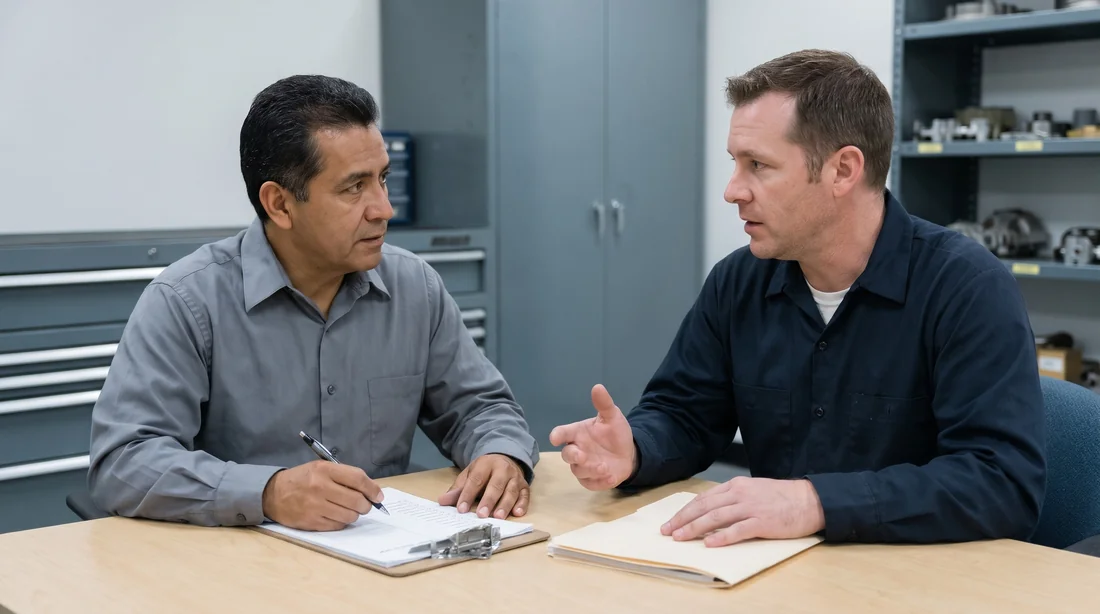
“An audit that only checks the box on paper compliance will miss the gap that actually hurts someone.”
|
 |
Why Cognascents
Why choose Cognascents for PSM and RMP compliance audits

MULTIDISCIPLINARY EXPERTISE
Technical Depth Across the Process Safety Program
Cognascents brings together engineers across process safety, asset integrity, and process engineering. Our team includes Professional Engineers (PEs), Certified Safety Professionals (CSPs), Certified Process Safety Professionals (CCPSCs), and holders of API 510, 570, 571, 580, and 653 certifications. Our independent audits can examine both the management system and its technical foundations, helping identify gaps between elements. |

COMPLEMENTARY AUDIT TEAM EXPERTISE
Breadth Across the Program and Depth Within Each Element
We pair a qualified lead auditor with complementary expertise in the elements being evaluated. This team approach combines a consistent audit methodology with the technical depth needed to assess how the program works in practice. |

ASSESSED BY PROGRAM BUILDERS
Engineers Who Build PSM/RMP Programs
Our engineers develop and optimize all elements of PSM and RMP programs from the ground up. When we assess yours, we read it through the same lens we would use to build it. That changes what we find and how we prioritize it. |
Standards & Codes We Work To
The regulatory frameworks that govern PSM and RMP compliance audits.
OSHA 29 CFR 1910.119(o) — compliance audits certified at least every three yearsEPA 40 CFR 68.58 and 68.79 — RMP compliance audits, including third-party audit triggersEPA 40 CFR 68.59 and 68.80 — third-party auditor competency, independence, and reportingCSA Z767 (Canadian Jurisdictional Requirements)Applicable RAGAGEP (Recognized and Generally Accepted Good Engineering Practices)
IS YOUR THREE-YEAR AUDIT ON THE CALENDAR?
Let’s talk about what an independent audit would actually find.
Our engineers will give you a direct read on where your PSM and RMP programs may have gaps.
Keep reading for what a well-run audit delivers and the services that connect to it. ↓↓
What You Gain
An audit that actually improves your program, not just documents it.
A compliance audit should leave you with more than a list of deficiencies. Cognascents builds audits that give you a real path to closing the gaps they find.
|
REGULATORY COMPLIANCE
OSHA and EPA requirements satisfied on scheduleIndependent, third-party audits keep you ahead of the mandatory three-year cycle instead of scrambling to catch up. |
CROSS-ELEMENT GAP IDENTIFICATION
Inconsistencies found before a regulator finds themOur multi-disciplinary approach surfaces interrelationships between elements that narrower audits miss. |
|
|
ACTIONABLE FINDINGS
Recommendations you can actually implementOur audit reports include achievable action plans, not just a list of deficiencies with no path forward. |
INDEPENDENT CREDIBILITY
A third-party perspective regulators and leadership trustAn independent audit carries weight with both your board and your regulators in a way an internal review can’t. |
|
Related Services
Supporting services that strengthen your compliance position
Cognascents connects your audit to the programs it evaluates and the recommendations it generates.
|
THE PROGRAM YOUR AUDIT EVALUATES
PSM Program Development and SupportAudit findings often point to program gaps beyond a single fix. We help you build and sustain the program the audit is evaluating. |
THE RECOMMENDATIONS YOUR AUDIT GENERATES
Open Recommendations ResolutionAn audit is only as valuable as the findings that get closed. We help you resolve the backlog it creates. |
THE COMPLIANCE PROGRAM ON THE EPA SIDE
Risk Management Program (RMP) Development and SupportRMP audits often surface gaps in the underlying program. We help you build and sustain it. |
Related Content
PSM audit articles and case studies
Case studies and technical articles from the engineers who lead these engagements.
|
ARTICLE | ASSET INTEGRITY
From an Auditor’s Perspective: Common Mechanical Integrity Gaps in PSM AuditsThe MI findings that show up most consistently across PSM audits, and what separates programs that hold up from those that don’t. |
CASE STUDY | EV BATTERY MANUFACTURER
Fortifying Critical PSM Program Elements for a Lithium-Ion Battery ManufacturerStrengthening and hardening a PSM program for an EV battery manufacturer handling flammable and reactive chemicals. |
ARTICLE | AI & ENGINEERING
AI-Accelerated Engineering Services: What does that really mean?How Cognascents applies AI to compliance-heavy engineering work, audits included, without stepping back from auditor accountability. |
PSM/RMP AUDIT QUESTIONS, ANSWERED DIRECTLY
Frequently asked questions about PSM and RMP compliance audits
How often is a PSM compliance audit required?
At least every three years. OSHA 29 CFR 1910.119(o)(1) requires employers to certify that they have evaluated compliance at that interval, and EPA imposes the same cycle for RMP-covered processes under 40 CFR 68.58 and 68.79. The two most recent audit reports must be retained.
Who can perform a PSM compliance audit?
The audit must be conducted by at least one person knowledgeable in the process under 1910.119(o)(2). OSHA does not mandate independence — but an independent third-party audit removes the structural conflict of a program grading itself, and EPA requires third-party audits outright in defined circumstances.
When does EPA require a third-party audit?
Under the current RMP rule, the next scheduled compliance audit for a Program 2 or 3 process must be third-party when the facility has had an RMP-reportable accident, when the implementing agency determines conditions warrant it, or when a prior third-party audit failed competency or independence criteria (40 CFR 68.58 and 68.79, with auditor requirements in 68.59 and 68.80).
What is the difference between a PSM audit and an RMP audit?
They cover largely parallel prevention program elements — OSHA PSM protects workers inside the fence line; EPA RMP protects the public and environment beyond it, adding hazard assessment, emergency response, and plan submission requirements. Auditing them together is efficient and exposes inconsistencies between the two programs that separate audits miss.
What must happen with audit findings?
Under 1910.119(o)(4), the employer must promptly determine and document an appropriate response to each finding and document that deficiencies have been corrected. An audit finding without a documented resolution path is itself a citable condition at the next inspection.
Talk to an engineer about your next PSM or RMP audit
Tell us where your PSM and RMP programs stand today. One of our engineers will give you a straight answer about what an independent audit would find and what it would take to close the gaps.